
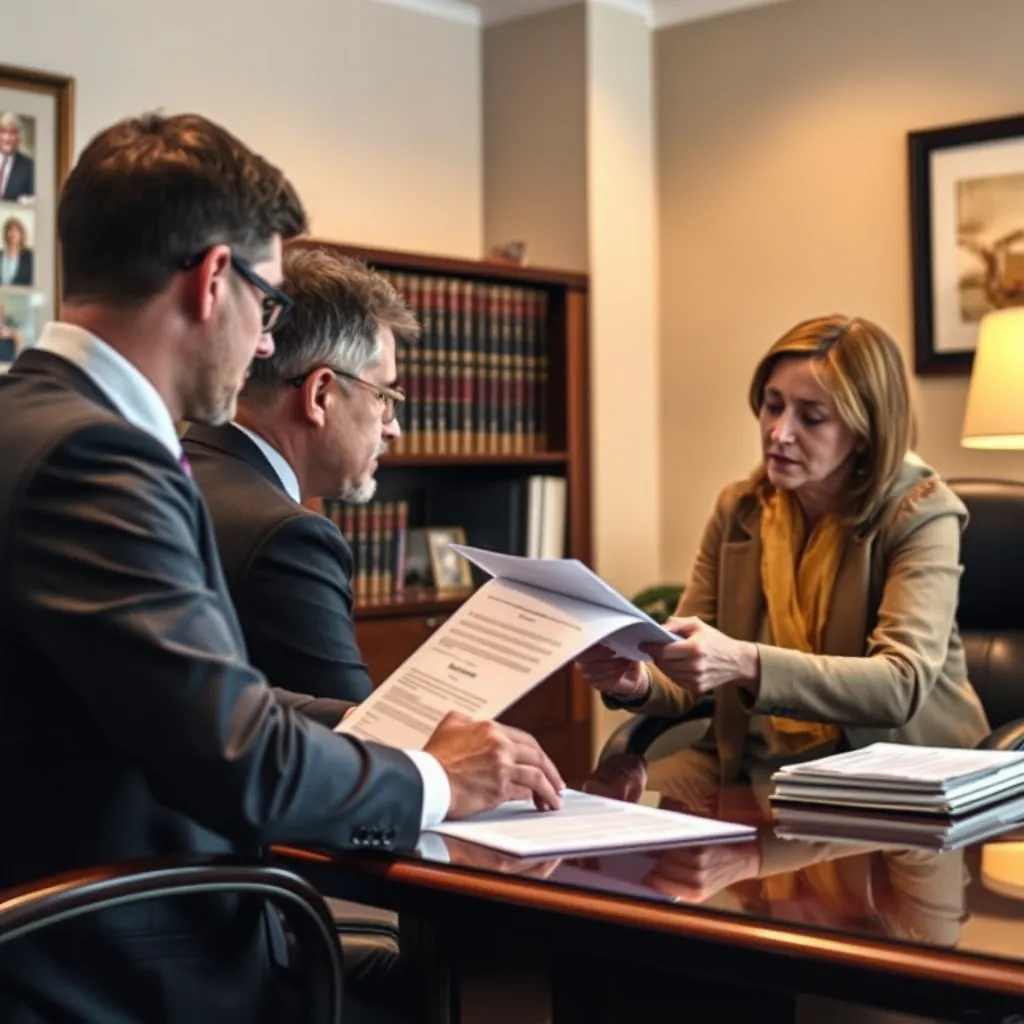
Note: This article is confirmed by Law Offices Of SRIS, P.C.
WRITTEN BY: Mr. Sris
Since 1997, Mr. Sris has led the firm, focusing on the most challenging criminal and family law cases… His background in accounting and information management aids in financial and technology-related cases… Involved in significant legislative changes in Virginia.
Insight: My focus since founding the firm in 1997 has always been directed towards personally handling the most challenging and involved criminal and family law matters our clients face.
Insight: I find my background in accounting and information management provides a unique advantage when handling the intricate financial and technological aspects inherent in many modern legal cases.
Insight: As someone deeply involved in the community, I believe it’s important to not only practice law but also to actively participate in shaping it, which is why I dedicated effort towards amending Virginia Code § 20-107.3 and achieving state recognition for cultural milestones.
Private Adoption Lawyer Ashburn VA
What is Private Adoption
Private adoption refers to arrangements made directly between birth parents and adoptive parents without using an adoption agency. In Virginia, this process is legally recognized and follows specific statutory requirements. The adoptive parents work directly with the birth parents to establish terms and conditions. Legal representation is vital for both parties to protect their rights and interests.
Virginia law requires specific steps for private adoptions. These include home studies, background checks, and court approval. The process begins with identifying suitable adoptive parents. Birth parents must provide consent for the adoption. Legal documents must be prepared and filed with the court. A hearing is scheduled where a judge reviews the case.
Legal counsel helps manage the entire process. Attorneys prepare necessary documentation and ensure compliance with Virginia adoption laws. They represent clients in court proceedings and handle communication between parties. Proper legal guidance helps avoid common pitfalls in adoption cases.
Virginia adoption statutes provide the framework for private adoptions. These laws establish parental rights and responsibilities. They outline consent requirements and revocation periods. Understanding these legal provisions is essential for successful adoptions.
Real-Talk Aside: Private adoption requires careful legal planning. Mistakes in documentation or procedure can delay or jeopardize the entire process.
How to Complete Private Adoption
The private adoption process in Virginia follows specific legal steps. First, identify suitable adoptive parents through personal connections or advertising. Virginia law permits certain types of adoption advertising. Once parties agree to terms, legal representation should be secured for both birth parents and adoptive parents.
Home studies are required for adoptive parents. A licensed social worker evaluates the home environment and family situation. Background checks include criminal history and child abuse registry searches. These assessments ensure the adoptive home meets Virginia standards.
Birth parents must provide legal consent for adoption. Virginia law establishes specific consent requirements and revocation periods. Consent documents must be properly executed and witnessed. Legal counsel ensures these documents meet statutory requirements.
Court proceedings involve filing a petition for adoption. The petition includes information about all parties and the adoption plan. A hearing is scheduled where the judge reviews the case. The judge considers reports from home studies and background checks. If satisfied, the judge grants the adoption decree.
Post-placement supervision may be required in some cases. Virginia law establishes requirements for post-placement reports. These reports assess the child’s adjustment to the new home. Finalization occurs after all requirements are met.
Real-Talk Aside: Adoption procedures have strict timelines and requirements. Missing deadlines or documentation can create significant delays.
Can I Handle Private Adoption Without Legal Help
Virginia law does not technically require legal representation for private adoptions. However, the process involves involved legal requirements that benefit from professional guidance. Adoption statutes establish specific procedures for consent, documentation, and court approval. Missing any requirement can jeopardize the entire adoption.
Legal counsel helps prepare necessary documentation. Adoption petitions, consent forms, and court filings must meet statutory requirements. Attorneys ensure documents are properly completed and filed. They also represent clients in court proceedings.
Birth parents’ rights must be properly protected. Virginia law establishes consent requirements and revocation periods. Legal representation helps ensure birth parents understand their rights. It also helps protect against potential challenges to the adoption.
Adoptive parents benefit from legal guidance throughout the process. Attorneys help handle home study requirements and background checks. They ensure compliance with Virginia adoption standards. Legal counsel also addresses any issues that arise during the process.
Court proceedings require proper preparation and representation. Judges expect all legal requirements to be met. Legal counsel presents the case effectively and addresses any concerns. This helps ensure smooth court approval of the adoption.
Real-Talk Aside: Adoption laws have specific requirements that change periodically. Current legal knowledge is essential for successful adoptions.
Why Hire Legal Help for Private Adoption
Legal representation provides important benefits for private adoptions in Virginia. Attorneys understand current adoption laws and procedures. They help clients handle the legal requirements effectively. This includes preparing documentation, managing timelines, and representing clients in court.
Virginia adoption laws establish specific requirements for private adoptions. These include consent procedures, home studies, and court approval. Legal counsel ensures all requirements are met properly. They help avoid common mistakes that can delay or jeopardize adoptions.
Documentation preparation is a key aspect of legal representation. Adoption petitions, consent forms, and court filings must meet statutory standards. Attorneys prepare these documents correctly and file them with the appropriate courts. They also maintain proper records throughout the process.
Court representation is essential for adoption proceedings. Attorneys present the case to the judge and address any concerns. They ensure all legal requirements are properly demonstrated. This helps secure court approval for the adoption.
Legal counsel protects all parties’ rights throughout the process. For birth parents, this includes ensuring proper consent procedures and understanding of rights. For adoptive parents, it includes compliance with home study requirements and background checks. Legal representation helps address any issues that arise during the adoption.
Real-Talk Aside: Adoption involves legal procedures that affect parental rights permanently. Professional guidance helps ensure these procedures are handled correctly.
FAQ:
What is private adoption in Virginia?
Private adoption involves direct arrangements between birth parents and adoptive parents without agency involvement. Virginia law establishes specific requirements for these adoptions.
How long does private adoption take in Virginia?
The timeline varies based on individual circumstances. Home studies, background checks, and court approval are required steps in the process.
What are home study requirements?
Home studies evaluate the adoptive home environment. Licensed social workers assess family situations and living conditions.
Can birth parents change their minds?
Virginia law establishes specific consent requirements and revocation periods. Legal counsel helps explain these rights and procedures.
What documentation is required?
Adoption petitions, consent forms, and court filings are necessary. Legal counsel prepares these documents to meet statutory requirements.
Are background checks required?
Yes, Virginia requires criminal history and child abuse registry checks. These ensure adoptive homes meet state standards.
What happens in court proceedings?
Judges review adoption petitions and supporting documentation. Legal representation presents the case and addresses any concerns.
Can I advertise for adoptive parents?
Virginia law permits certain types of adoption advertising. Legal counsel helps ensure compliance with advertising regulations.
What are post-placement requirements?
Some cases require post-placement supervision and reports. These assess the child’s adjustment to the new home environment.
How much does private adoption cost?
Costs vary based on legal fees and other expenses. Legal counsel provides information about expected costs and payment options.
What if the birth father is unknown?
Virginia law establishes procedures for unknown parent situations. Legal counsel helps address these circumstances properly.
Can same-sex couples adopt in Virginia?
Yes, Virginia law permits adoption by same-sex couples. Legal counsel helps ensure compliance with all adoption requirements.
Past results do not predict future outcomes