
Note: This article is confirmed by Law Offices Of SRIS, P.C.
WRITTEN BY: Mr. Sris
Since 1997, Mr. Sris has led the firm, focusing on the most challenging criminal and family law cases. His background in accounting and information management aids in financial and technology-related cases. Involved in significant legislative changes in Virginia.
Marriage Annulment Lawyer Reston VA
What is Marriage Annulment
Marriage annulment represents a distinct legal path from divorce, addressing situations where a marriage should be considered legally invalid from its inception. Under Virginia law, annulment requires establishing specific statutory grounds that demonstrate the marriage was never legally valid. These grounds include situations where one party committed fraud to induce the marriage, cases of bigamy where one spouse was already married, marriages involving underage participants without proper consent, or unions where one party lacked mental capacity to consent at the time of marriage.
The legal process begins with determining whether your situation meets Virginia’s strict criteria for annulment. This involves reviewing the circumstances surrounding your marriage, gathering documentation, and understanding how Virginia courts interpret each ground. Fraud cases require demonstrating intentional deception about something vital to the marriage contract. Bigamy situations need proof of an existing valid marriage. Underage marriages require showing the participant was below Virginia’s legal age without proper parental or court consent.
Virginia courts approach annulment proceedings with careful consideration of evidence and legal standards. The petitioner must present clear proof that one of the statutory grounds exists. This often involves collecting marriage certificates, age documentation, evidence of prior marriages, or proof of fraudulent representations. The court examines whether the defect existed at the time of marriage and whether it fundamentally affected the marital relationship.
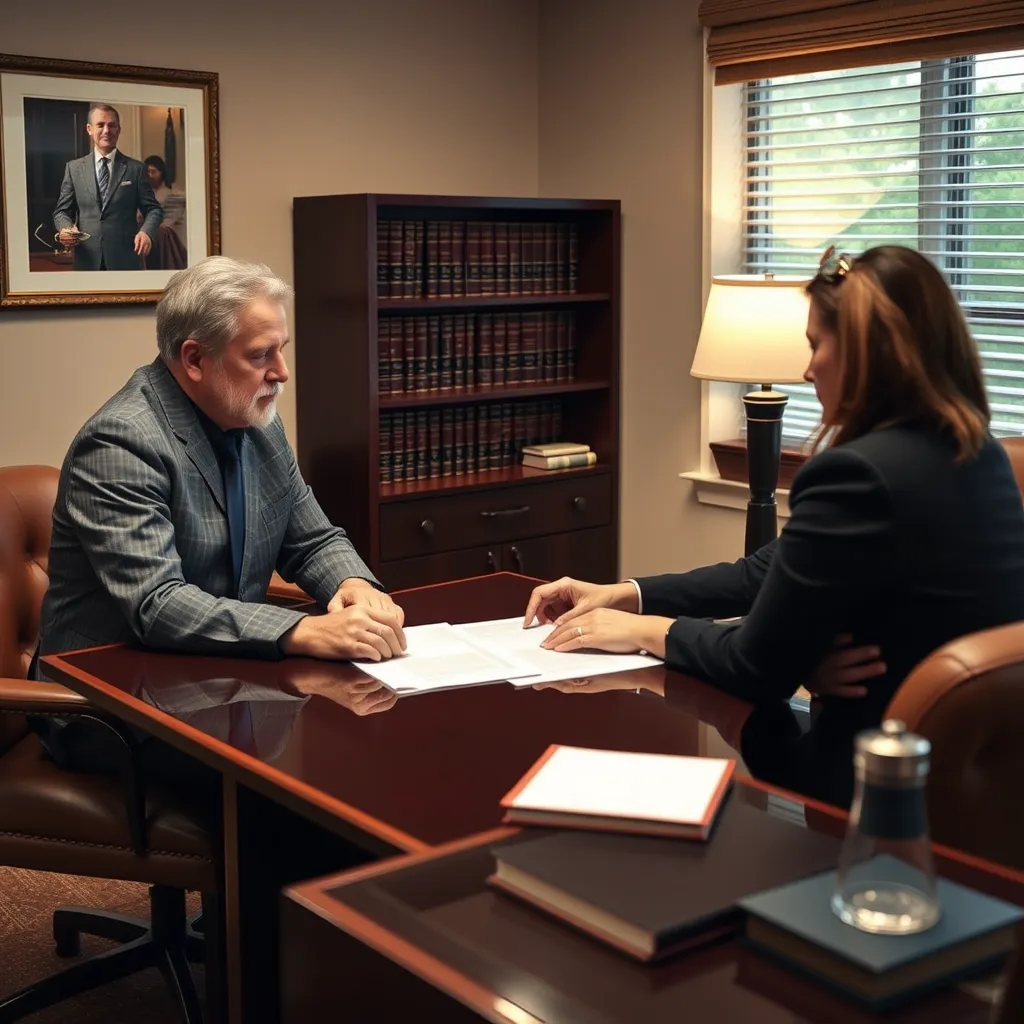
Legal representation in annulment cases provides important guidance through Virginia’s specific requirements. An attorney helps evaluate whether your situation qualifies, gathers necessary evidence, and presents your case effectively. They understand how local Reston courts handle these matters and can anticipate potential challenges. Proper legal support ensures all procedural requirements are met and your rights are protected throughout the process.
Reality Check: Annulment has strict legal requirements in Virginia. Not every troubled marriage qualifies – you must prove specific grounds existed at the time of marriage.
How to Pursue Marriage Cancellation
The process for pursuing marriage annulment in Virginia follows a structured legal pathway designed to ensure proper consideration of all relevant factors. Initial assessment involves consulting with legal counsel to evaluate whether your circumstances meet Virginia’s statutory grounds for annulment. This evaluation considers the specific facts of your marriage, available evidence, and how Virginia courts have interpreted similar situations. Documentation review includes marriage certificates, age verification, prior marriage records, and any evidence of fraudulent representations.
Filing the annulment petition represents the formal beginning of legal proceedings. In Virginia, this involves preparing and submitting specific legal documents to the appropriate circuit court. The petition must clearly state the grounds for annulment, provide supporting facts, and request the court declare the marriage void. Proper filing requires attention to jurisdictional requirements, venue rules, and procedural specifications unique to Virginia courts. Service of process ensures the other party receives proper legal notice as required by Virginia law.
Evidence gathering and preparation form the foundation of a successful annulment case. This phase involves collecting documentation that supports your claim, such as proof of prior existing marriage for bigamy cases, age documentation for underage marriages, or evidence of fraudulent representations. Witness statements, financial records, and communication evidence may also be relevant depending on the specific grounds. Organizing this evidence in a clear, persuasive manner helps present your case effectively to the court.
Court proceedings and resolution follow established Virginia legal procedures. Hearings allow both parties to present evidence and arguments regarding the annulment request. The court examines whether the presented evidence meets Virginia’s legal standards for declaring a marriage void. If the court grants the annulment, it issues a decree declaring the marriage invalid from its beginning. This legal determination affects various rights and obligations differently than divorce decrees.
Straight Talk: The annulment process has specific legal steps and deadlines. Missing procedural requirements can delay or jeopardize your case.
Can I Get My Marriage Annulled
Determining eligibility for marriage annulment requires understanding Virginia’s specific legal criteria and how they apply to individual circumstances. Virginia law recognizes several distinct grounds for annulment, each with its own requirements and standards of proof. Fraud cases require demonstrating that one party intentionally deceived the other about something vital to the marriage agreement. This might include misrepresentation about ability to have children, intention to remain in the country, or concealment of serious criminal history. The deception must be material to the decision to marry.
Bigamy situations involve marriages where one spouse was already legally married to another person at the time of the subsequent marriage. Virginia requires proof that the prior marriage was valid and still legally existing when the second marriage occurred. This ground applies regardless of whether the bigamous spouse knew about the existing marriage. Documentation such as marriage certificates, divorce decrees, or death certificates becomes important evidence in these cases.
Underage marriage annulments address situations where one or both parties were below Virginia’s legal age of consent without proper authorization. Virginia allows marriages at younger ages with parental consent and court approval in certain circumstances. Without these approvals, the marriage may be voidable. Proof of age through birth certificates, school records, or other official documentation establishes this ground. The timing of when the underage party reaches legal age affects the annulment process.
Mental capacity issues concern situations where one party lacked sufficient understanding to consent to marriage due to mental illness, disability, or intoxication. Virginia courts examine whether the individual understood the nature of marriage and its consequences at the time of the ceremony. Medical records, witness testimony, and attorney evaluations may help establish this ground. The standard focuses on capacity at the specific moment of marriage rather than general mental state.
Blunt Truth: Annulment eligibility depends entirely on legal grounds existing at the time of marriage. Current marital problems alone don’t qualify for annulment in Virginia.
Why Hire Legal Help for Marriage Annulment
Engaging legal representation for marriage annulment matters offers significant benefits in addressing Virginia’s specific legal landscape. Virginia’s annulment statutes contain detailed requirements that demand careful interpretation and application. An attorney familiar with these laws helps determine whether your situation meets the statutory grounds, evaluates the strength of available evidence, and develops a strategy tailored to your specific circumstances. This professional assessment provides clarity about your legal options and potential outcomes.
Evidence management represents a important aspect where legal assistance proves valuable. Annulment cases often require specific types of documentation to meet Virginia’s proof standards. An attorney helps identify what evidence is necessary, guides proper collection methods, and ensures documentation meets legal admissibility requirements. This includes obtaining certified copies of marriage records, gathering witness statements, securing attorney opinions when needed, and organizing materials for effective presentation to the court.
Procedural guidance ensures proper handling of court requirements and deadlines. Virginia’s annulment process involves specific filing procedures, service requirements, and hearing protocols. Missing procedural steps can delay proceedings or jeopardize your case. Legal counsel manages these administrative aspects, prepares necessary documents, files them correctly with the appropriate court, and ensures all parties receive proper notice as required by law. This procedural oversight helps maintain the case’s forward momentum.
Court representation provides professional advocacy during hearings and proceedings. An attorney presents your case effectively, examines evidence according to legal standards, and makes persuasive arguments based on Virginia law. They understand how local Reston courts approach annulment matters and can anticipate judicial concerns. This representation helps ensure your position receives proper consideration and that legal rights are protected throughout the process.
Reality Check: Annulment involves specific legal standards and court procedures. Professional guidance helps avoid procedural mistakes that could affect your case outcome.
FAQ:
What is the difference between annulment and divorce?
Annulment declares a marriage legally invalid from the start. Divorce ends a valid marriage. Annulment treats the marriage as if it never existed legally.
How long does annulment take in Virginia?
The timeframe varies based on case specifics and court schedules. Some cases resolve in months while others take longer depending on evidence and legal issues.
What evidence do I need for annulment?
Evidence depends on the grounds. Common documents include marriage certificates, age proof, prior marriage records, or fraud evidence. Legal guidance helps identify necessary documentation.
Can I get annulment if we have children?
Children don’t prevent annulment but affect related matters. Parentage and support issues require separate legal attention alongside annulment proceedings.
What happens to property after annulment?
Property division follows different rules than divorce. Courts determine equitable distribution based on contributions since annulment treats marriage as invalid.
Do both parties need to agree to annulment?
Agreement isn’t required but can simplify proceedings. Virginia courts decide based on legal grounds regardless of mutual consent.
How much does annulment cost in Virginia?
Costs vary based on case challenge, evidence needs, and legal representation. Court fees and attorney costs contribute to total expenses.
Can I remarry immediately after annulment?
Yes, once the court grants the annulment decree. The decree legally establishes that no valid marriage existed, allowing remarriage.
What if my spouse contests the annulment?
Contested cases proceed through court hearings. Both parties present evidence and arguments. The court decides based on legal standards and proof.
Are there time limits for seeking annulment?
Some grounds have time restrictions in Virginia. Fraud cases often require prompt action after discovery. Legal advice clarifies applicable deadlines.
Can annulment affect immigration status?
Annulment may impact immigration matters differently than divorce. Specific circumstances determine effects on status and related benefits.
What if we’ve been married for many years?
Length of marriage doesn’t automatically prevent annulment. Virginia law focuses on grounds existing at marriage time rather than duration.
Past results do not predict future outcomes