
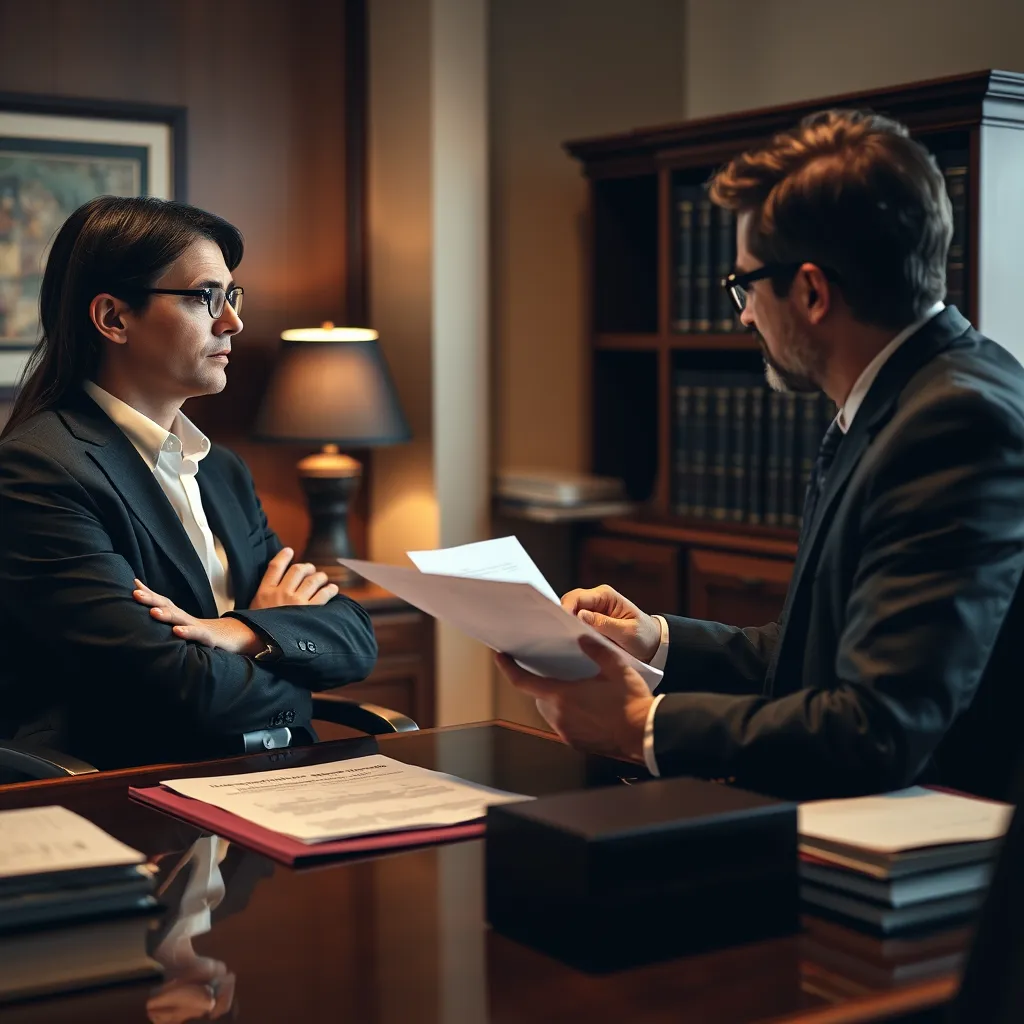
Note: This article is confirmed by Law Offices Of SRIS, P.C.
WRITTEN BY: Mr. Sris
Since 1997, Mr. Sris has led the firm, focusing on the most challenging criminal and family law cases… His background in accounting and information management aids in financial and technology-related cases… Involved in significant legislative changes in Virginia.
Insight: My focus since founding the firm in 1997 has always been directed towards personally handling the most challenging and involved criminal and family law matters our clients face.
Insight: I find my background in accounting and information management provides a unique advantage when handling the intricate financial and technological aspects inherent in many modern legal cases.
Insight: As someone deeply involved in the community, I believe it’s important to not only practice law but also to actively participate in shaping it, which is why I dedicated effort towards amending Virginia Code § 20-107.3 and achieving state recognition for cultural milestones.
Contempt Lawyer Ashburn VA
What is Court Contempt
Court contempt encompasses actions that challenge judicial authority or violate court directives. In Virginia legal proceedings, contempt serves as a mechanism to maintain courtroom decorum and ensure compliance with judicial orders. The concept divides into two primary categories: civil contempt and criminal contempt.
Civil contempt typically addresses situations where an individual fails to comply with court orders. The primary objective involves compelling future compliance rather than punishing past behavior. Courts may impose sanctions like fines or incarceration until the individual complies with the order. Common examples include failure to pay court-ordered support, refusal to produce documents, or violation of protective orders.
Criminal contempt involves behavior that obstructs justice or shows disrespect to the court. This category focuses on punishing past misconduct that interfered with court proceedings. Actions might include disruptive behavior in court, witness intimidation, or willful disobedience of court orders that amounts to criminal behavior. Penalties can include fines, jail sentences, or both, depending on the severity of the violation.
Virginia courts follow specific procedures for contempt proceedings. The process begins with a show cause order or motion alleging contempt. The accused receives notice of the allegations and an opportunity to respond. During hearings, evidence gets presented regarding the alleged violations. Judges consider factors like willfulness, ability to comply, and the nature of the violation when determining appropriate responses.
Reality Check: Contempt allegations can escalate quickly. Immediate legal attention helps prevent minor issues from becoming serious legal problems.
How to Address Order Violations
Addressing order violation allegations requires methodical preparation and understanding of legal procedures. The process begins with thorough examination of the court order in question. Review the specific language, requirements, and deadlines outlined in the document. Identify which provisions allegedly got violated and the exact nature of the alleged non-compliance.
Documentation plays a vital role in addressing violation allegations. Gather all relevant materials showing compliance efforts or explaining circumstances. This might include financial records, communication logs, medical documentation, or other evidence relevant to the situation. Organize these materials chronologically to present a clear timeline of events and actions taken.
Legal consultation provides essential guidance for developing appropriate responses. Attorneys review the allegations, examine the evidence, and identify potential defenses. They help determine whether violations occurred, whether they were willful, and what mitigating factors might apply. Based on this analysis, they develop strategies for responding to the allegations.
Court preparation involves understanding procedural requirements and evidentiary standards. Legal representation helps prepare necessary filings, responses, and motions. They assist in organizing evidence for presentation and preparing witnesses if needed. Understanding courtroom procedures and judicial expectations improves the effectiveness of the response.
Straight Talk: Ignoring contempt allegations rarely helps. Proactive steps and proper documentation make significant differences in outcomes.
Can I Defend Against Contempt Charges
Defending against contempt charges involves presenting evidence and legal arguments to address the specific allegations. Virginia courts recognize several potential defenses depending on the circumstances of each case. Understanding these options helps develop effective response strategies.
Lack of willfulness represents a common defense in contempt proceedings. Courts typically require evidence that violations occurred intentionally or with reckless disregard for court orders. Demonstrating that non-compliance resulted from misunderstanding, accident, or circumstances beyond control can defeat contempt allegations. Evidence might include communication showing good faith efforts, documentation of attempts to comply, or testimony about confusing order language.
Inability to comply provides another potential defense. When individuals lack the physical, financial, or practical means to follow court orders, contempt may not apply. Documentation showing changed circumstances, financial hardship, medical issues, or other barriers to compliance supports this defense. Courts generally consider whether reasonable efforts were made and whether alternatives existed.
Procedural defenses address issues with the contempt process itself. These might include insufficient notice, improper service, or violations of due process rights. Virginia courts require specific procedures for contempt proceedings, and failures in these areas can affect the validity of allegations. Legal representation helps identify procedural issues that might impact the case.
Substantive compliance or corrective action can mitigate contempt consequences. Even if violations occurred, demonstrating subsequent compliance or good faith efforts to rectify the situation can influence judicial decisions. Courts often consider whether the individual has taken steps to address the issues and prevent future violations.
Blunt Truth: Contempt defenses require specific evidence. General explanations without documentation rarely succeed in court proceedings.
Why Hire Legal Help for Contempt Matters
Legal representation for contempt matters offers significant advantages in managing these challenging proceedings. Attorneys bring specific knowledge of Virginia contempt laws and court procedures that most individuals lack. This experienced lawyer helps handle the technical requirements and strategic considerations involved in contempt cases.
Professional analysis of allegations represents a key benefit of legal representation. Attorneys examine the specific court orders, alleged violations, and surrounding circumstances. They identify strengths and weaknesses in the case, potential defenses, and strategic approaches. This analysis forms the foundation for developing effective responses to the allegations.
Evidence gathering and organization receive professional attention with legal representation. Attorneys know what types of evidence courts consider relevant and how to present it effectively. They help gather documentation, identify witnesses, and prepare materials for court presentation. Proper evidence organization makes arguments more persuasive and comprehensible to judges.
Courtroom advocacy improves with experienced representation. Attorneys understand how to present arguments, examine witnesses, and respond to judicial questions. They manage procedural requirements, file appropriate motions, and ensure compliance with court rules. This professional handling of court proceedings can significantly impact outcomes.
Strategic guidance throughout the process helps individuals make informed decisions. Attorneys explain options, potential consequences, and likely outcomes based on their experience. They help develop realistic expectations and appropriate goals for the case. This guidance reduces uncertainty and helps individuals participate effectively in their defense.
Reality Check: Contempt proceedings involve specific legal standards. Professional guidance helps meet these standards and present the strongest possible case.
FAQ:
What constitutes contempt of court in Virginia?
Contempt includes disobeying court orders, disrupting proceedings, or showing disrespect to judicial authority. Both civil and criminal contempt have different purposes and penalties.
How long do I have to respond to contempt allegations?
Response deadlines vary by court and case specifics. Legal guidance helps determine appropriate timelines and prepare necessary filings promptly.
Can contempt charges result in jail time?
Yes, both civil and criminal contempt can involve incarceration. Civil contempt may continue until compliance, while criminal contempt involves set sentences.
What evidence helps defend against contempt charges?
Documentation showing compliance efforts, changed circumstances, or misunderstanding of orders supports defense arguments. Communication records and financial documents can be important.
How do courts determine if contempt was willful?
Courts examine evidence of intent, knowledge of orders, and ability to comply. Documentation showing attempts to follow directives helps demonstrate lack of willfulness.
What happens at a contempt hearing?
Hearings involve presenting evidence about alleged violations. Both sides present arguments, and the judge determines if contempt occurred and appropriate responses.
Can contempt orders be appealed?
Yes, contempt determinations can often be appealed. Legal guidance helps evaluate appeal options and procedural requirements for challenging decisions.
How can I prevent future contempt issues?
Clear understanding of court orders, proper documentation of compliance efforts, and timely communication about difficulties help prevent contempt allegations.
What’s the difference between civil and criminal contempt?
Civil contempt aims to compel compliance with orders, while criminal contempt punishes past misconduct. Different procedures and standards apply to each type.
Do I need a lawyer for contempt proceedings?
Legal representation helps address technical requirements and present effective defenses. Attorneys understand court procedures and evidentiary standards for contempt cases.
How much do contempt lawyers cost?
Costs vary based on case challenge and attorney experience. Many firms offer initial consultations to discuss fees and payment options.
What should I bring to my first meeting with a contempt lawyer?
Bring all court documents, correspondence about the allegations, and any evidence of compliance efforts or changed circumstances.
Past results do not predict future outcomes