
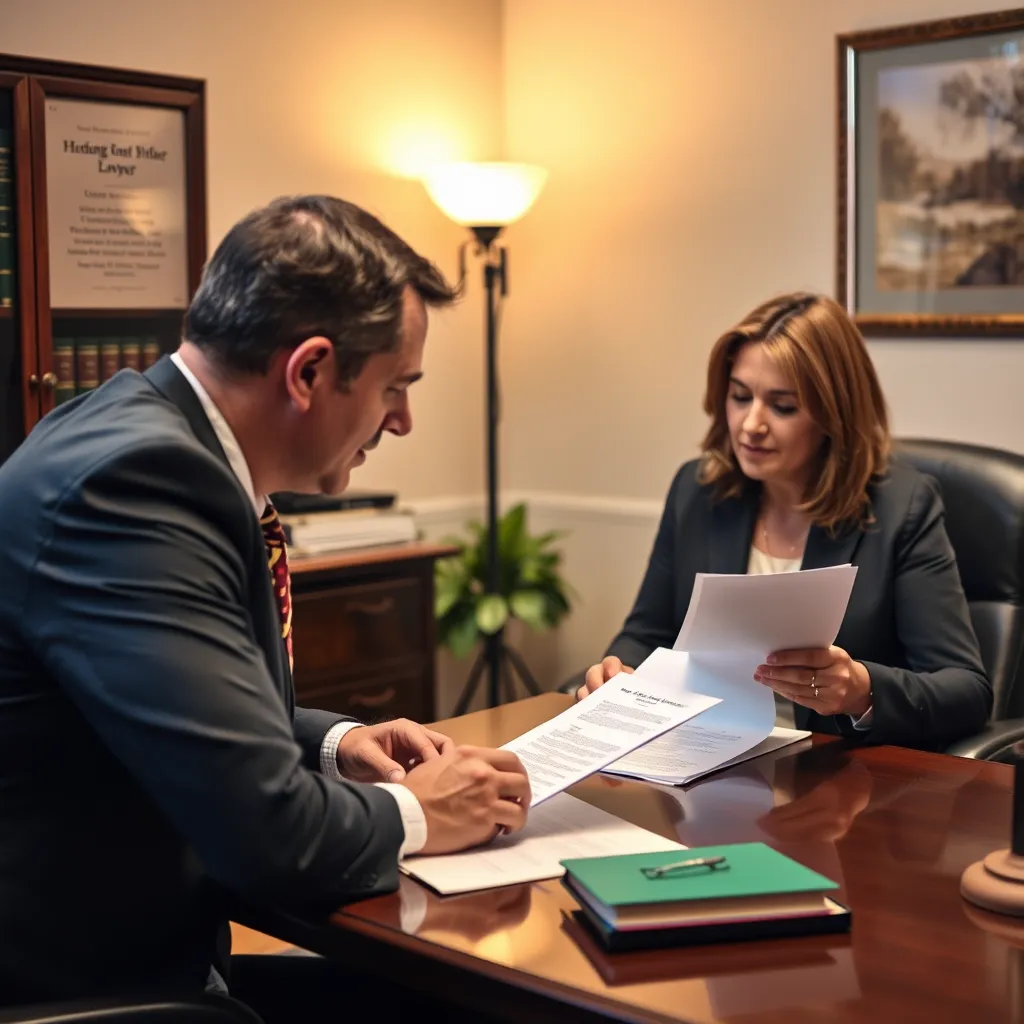
Note: This article is confirmed by Law Offices Of SRIS, P.C.
AUTHOR BIO:WRITTEN BY
Since 1997, Mr. Sris has led the firm, focusing on the most challenging criminal and family law cases. His background in accounting and information management aids in financial and technology-related cases. Involved in significant legislative changes in Virginia. My focus since founding the firm in 1997 has always been directed towards personally handling the most challenging and involved criminal and family law matters our clients face.
Custody Modification Lawyer Leesburg VA
What is Custody Modification
Custody modification refers to the legal process of changing an existing custody order when circumstances have changed substantially since the original order was established. In Virginia, courts maintain jurisdiction over custody matters and can modify arrangements when parents demonstrate that changes serve the child’s best interests. Modification differs from initial custody determinations because it requires showing that conditions have changed enough to warrant altering the current arrangement.
Parents typically seek modifications for various reasons. Relocation of either parent often necessitates schedule adjustments. Changes in employment that affect availability for parenting time may require modification. Health concerns for either parent or the child can impact custody arrangements. Evidence of substance abuse, domestic violence, or neglect may prompt modification requests. Changes in the child’s needs as they grow older can also justify adjustments.
Virginia law requires demonstrating “material change in circumstances” to modify custody. This standard means showing significant changes affecting the child’s welfare since the last order. Courts examine whether changes are substantial and not temporary fluctuations. The parent requesting modification bears the burden of proof. Documentation must establish how current arrangements no longer serve the child’s best interests.
Legal professionals help parents gather appropriate evidence and present compelling arguments. They assist in documenting changes thoroughly and preparing for court proceedings. Understanding local court procedures and judicial preferences is vital for successful modification requests. Proper legal representation ensures all requirements are met and arguments are presented effectively.
How to Modify Custody Arrangements
Modifying custody arrangements follows specific legal procedures in Virginia courts. The process begins with documenting changed circumstances thoroughly. Parents should gather evidence showing how conditions have changed since the last custody order. This documentation forms the foundation for modification requests and helps demonstrate material changes.
The legal process starts with filing a petition for modification in the appropriate court. Parents must complete required forms accurately and include necessary supporting documents. Filing fees apply, though fee waivers may be available for qualifying individuals. Once filed, the other parent receives formal notice of the modification request. They have opportunity to respond and present their position.
Many Virginia courts require mediation before modification hearings. Mediation provides opportunity for parents to reach agreement without court intervention. Trained mediators help parents discuss concerns and explore potential solutions. If mediation succeeds, parents can submit agreed modifications for court approval. If mediation fails, the case proceeds to hearing.
Court hearings involve presenting evidence and arguments before a judge. Parents must demonstrate material change in circumstances and show proposed modifications serve the child’s best interests. Evidence may include documentation, witness testimony, and attorney opinions. Judges consider factors like parental cooperation, child’s preferences (depending on age), and overall family dynamics.
Successful modification requires careful preparation and strategic presentation. Legal professionals help organize evidence, prepare witnesses, and develop persuasive arguments. They understand local court procedures and judicial expectations. Proper representation increases likelihood of favorable outcomes while ensuring all legal requirements are met.
Can I Change Custody Without Going to Court
Parents sometimes wonder if they can modify custody arrangements without court involvement. In Virginia, parents can make changes through mutual agreement without formal court proceedings. However, important considerations apply to ensure modifications are legally valid and enforceable. Understanding these options helps parents make informed decisions about their approach.
When both parents agree to modifications, they can create written agreements outlining new arrangements. These agreements should address all custody matters including physical custody, legal custody, visitation schedules, holiday arrangements, and decision-making authority. Comprehensive agreements prevent misunderstandings and provide clear expectations for both parents.
Even with mutual agreement, court approval is recommended for several reasons. Without court approval, agreements lack enforcement mechanisms. If one parent violates terms, the other has limited recourse. Court-approved modifications become official court orders enforceable through contempt proceedings. Approval also ensures agreements meet legal standards and serve the child’s best interests.
The process for court approval of agreed modifications involves submitting written agreements to the court. Judges review agreements to ensure they protect the child’s welfare. Courts may request modifications if terms appear inadequate or unclear. Once approved, agreements become official court orders with full legal force.
Legal professionals help draft comprehensive agreements that address all necessary elements. They ensure terms are clear, enforceable, and meet legal requirements. Professional review identifies potential issues before submission to court. Guidance helps parents create agreements that withstand legal scrutiny and serve long-term needs.
Situations where court involvement becomes necessary include when parents cannot reach agreement, when safety concerns exist, or when agreements violate legal standards. Courts intervene to protect children’s interests when parents cannot resolve differences independently. Legal representation becomes particularly important in contested situations.
Why Hire Legal Help for Custody Modification
Hiring legal help for custody modification offers significant advantages in managing these sensitive family matters. Legal professionals bring understanding of Virginia’s custody laws and court procedures. They help parents handle involved legal requirements while protecting parental rights and focusing on children’s welfare. Professional representation increases likelihood of successful outcomes while reducing stress and uncertainty.
Legal professionals understand the “material change in circumstances” standard required for modifications. They help identify what qualifies as substantial change under Virginia law. Guidance includes what evidence courts typically accept and how to present it effectively. Professionals know local judicial preferences and court procedures specific to Leesburg jurisdiction.
Evidence gathering and organization benefit from legal experience. Professionals help document changes thoroughly and identify relevant supporting materials. They know what documentation carries weight in court and how to present it persuasively. Assistance includes preparing witnesses, organizing exhibits, and developing coherent arguments that address legal standards.
Court procedure knowledge ensures proper filing and compliance with requirements. Legal professionals complete necessary paperwork accurately and meet deadlines. They understand hearing procedures, evidence rules, and presentation techniques. Representation includes preparing for potential counter-arguments and developing responsive strategies.
Negotiation and mediation skills help reach agreements when possible. Legal professionals facilitate discussions between parents to find mutually acceptable solutions. They help draft comprehensive agreements that address all custody matters. When agreements cannot be reached, they prepare strong cases for court consideration.
Long-term considerations include creating sustainable arrangements that serve children’s evolving needs. Legal professionals help develop modifications that accommodate future changes and minimize conflict. They consider practical implementation and potential issues that may arise over time.
FAQ:
What qualifies as material change for custody modification?
Substantial changes affecting child’s welfare like relocation, schedule changes, safety concerns, or significant needs changes qualify as material changes.
How long does custody modification take in Virginia?
Modification timelines vary but typically take several months depending on court schedules, mediation requirements, and case challenge.
Can I modify custody if the other parent objects?
Yes, but you’ll need stronger evidence and court hearing. Objections mean demonstrating changes clearly serve child’s best interests.
What evidence helps in custody modification cases?
Documentation of changes, school records, medical reports, witness statements, and professional evaluations provide helpful evidence.
Do children’s preferences matter in modification cases?
Courts may consider mature children’s preferences but focus remains on overall best interests rather than child’s wishes alone.
Can I modify custody without a lawyer?
Possible but not recommended. Legal procedures and evidence requirements make professional guidance valuable.
What if the other parent violates current custody order?
Document violations thoroughly. Persistent violations may constitute material change supporting modification requests.
How much does custody modification cost?
Costs vary based on case challenge, attorney fees, court costs, and whether agreement can be reached without hearing.
Can custody be modified multiple times?
Yes, but courts scrutinize frequent requests. Each modification requires demonstrating new material changes.
What if parents agree on modifications?
Create written agreement and submit for court approval. Court review ensures terms serve child’s best interests.
Does moving affect custody arrangements?
Relocation often requires modification. Courts consider distance, travel arrangements, and impact on parenting time.
What if circumstances change back after modification?
Original modification remains unless new petition filed. Temporary changes don’t automatically revert arrangements.
Past results do not predict future outcomes